STEM and Technical Writing I!

In this class, Dr. C assists us with constructing a project that is our own. Additionally, we acquire the necessary skills that enhance our own project. These come from reading other journal articles and dissecting them, as well as learning how to express ourselves scientifically in a meaningful way.

Have trouble viewing the file or want to see a bigger version? Click Here.

How Modifications in Ethnic Diet Alter Drug Efficiency in Individuals

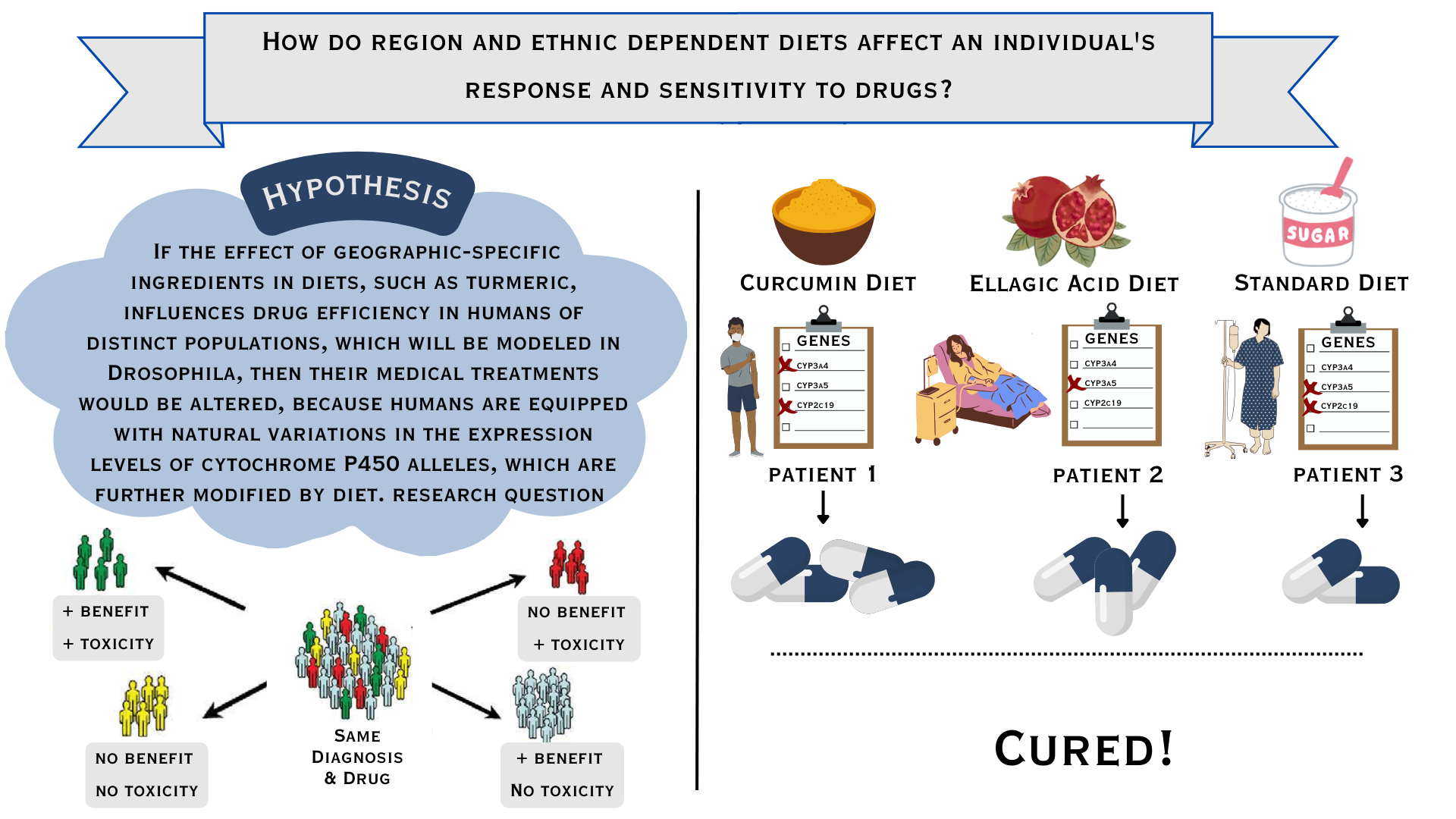
While one medical treatment plan may easily resolve the issues of one patient, the same treatment may be ineffective or introduce complications in another. In 2022, the FDA Adverse Event Reporting System reported 1.25 million adverse drug events, resulting in almost 175,000 deaths (Kommu et al., 2025). This reality of varying therapeutic effectiveness, reflected in patients, is made true through pharmacogenetics, which is the idea that a person's genetic information can influence the way their body processes drugs. Genetic variations, which are further modified by diet, often alter enzyme activity, thus helping to determine an individual's unique reaction to specific medications.

Abstract

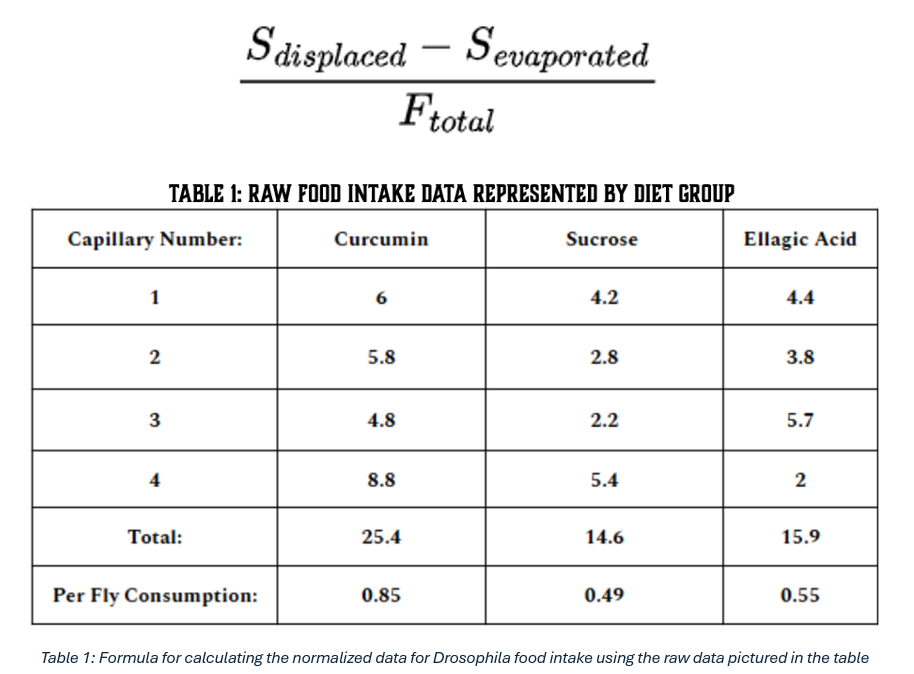
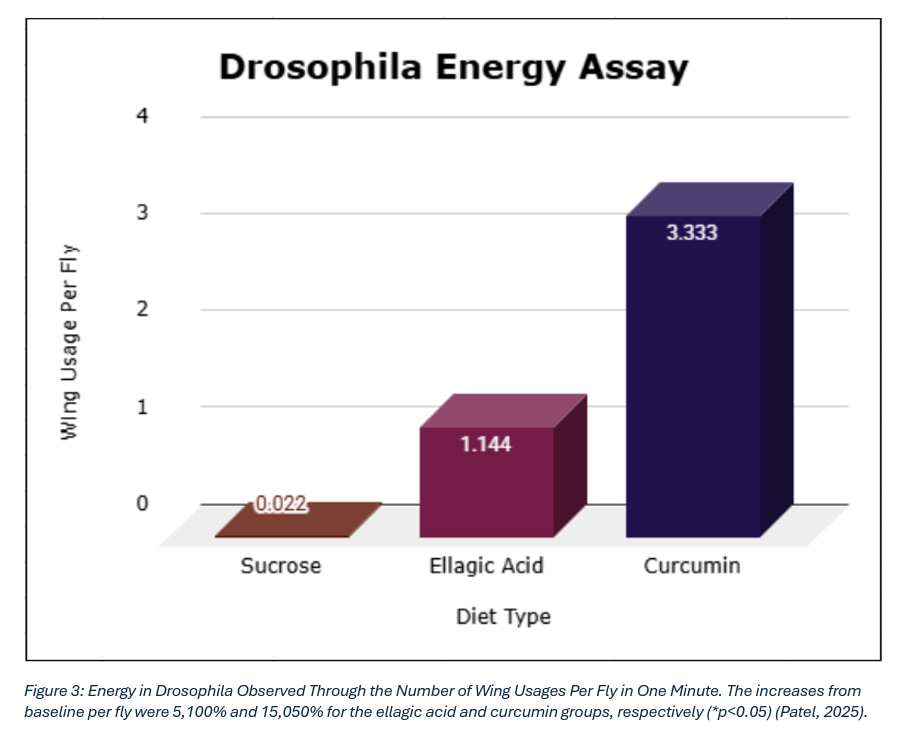
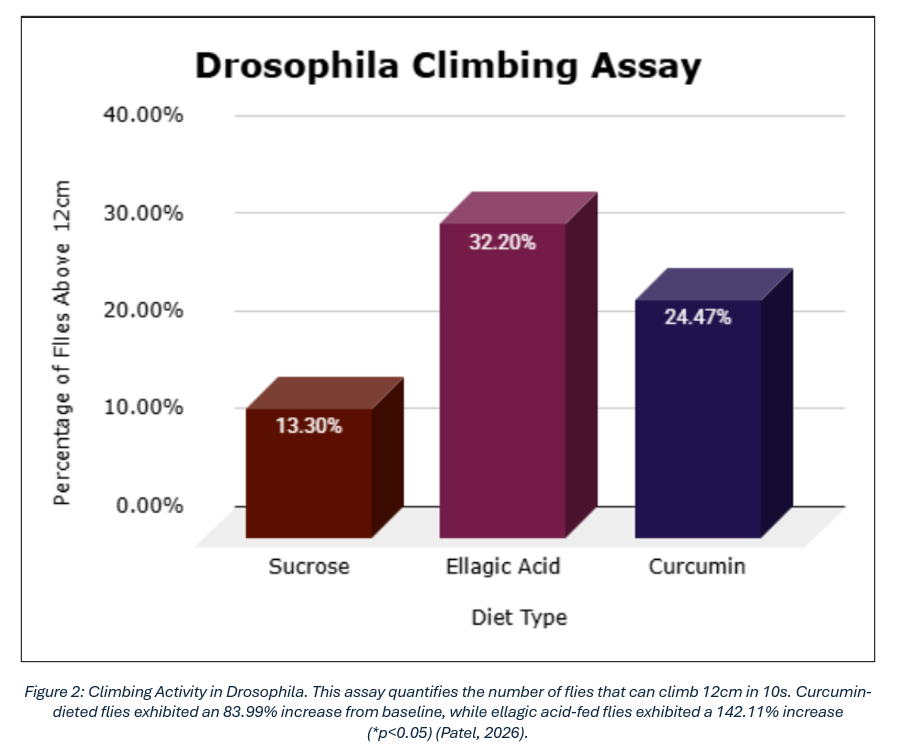
Imagine if doctors could give you your perfect treatment on the first try. Often, the trajectory of healing is not linear, as drug response is largely determined by genetic mutations unique to individuals. This relationship between genes and drugs are examined in pharmacogenetics. Specifically, mutations in cytochrome P540 (CYP) genes, notably in CYP3A4 and CYP3A5, are crucial because they influence metabolic rates. However, gene expression can be manipulated by external factors, such as diet, which is studied in nutrigenetics. Although implementing pharmacogenetics minimizes negative outcomes, it also raises several concerns, such as cost, a lack of standardization, provider education, and data limited to European males. This limitation ignores geographic patterns, suggesting that all regions exhibit identical metabolic traits. To investigate how dietary compounds, such as curcumin and ellagic acid, affect CYP gene expression and drug response, Drosophila melanogaster was used as a model organism due to their ease of manipulation, low cost, quick reproduction, and 75% homology to human disease genes. First, the behavioral impact of diet was assessed through drug (ethanol) intake, which was correlated to locomotion using climbing and energy assays. Metabolism changes were later confirmed with an RT-PCR test. Curcumin showed significant changes in food intake, energy, and climbing, with increases of 83.3%, 15,036%, 84% from the control, respectively. Likewise, ellagic acid resulted in baseline increases of 10.42%, 5,102%, and 142.1%. Collectively, behavioral and genetic effects provide insights into interactions between diet, genes, and drugs, and serve as a step toward culturally informed treatments.

Keywords: Pharmacogenetics, Drosophila melanogaster, Cytochrome P450 alleles, Drug, Genes

Graphical Abstract

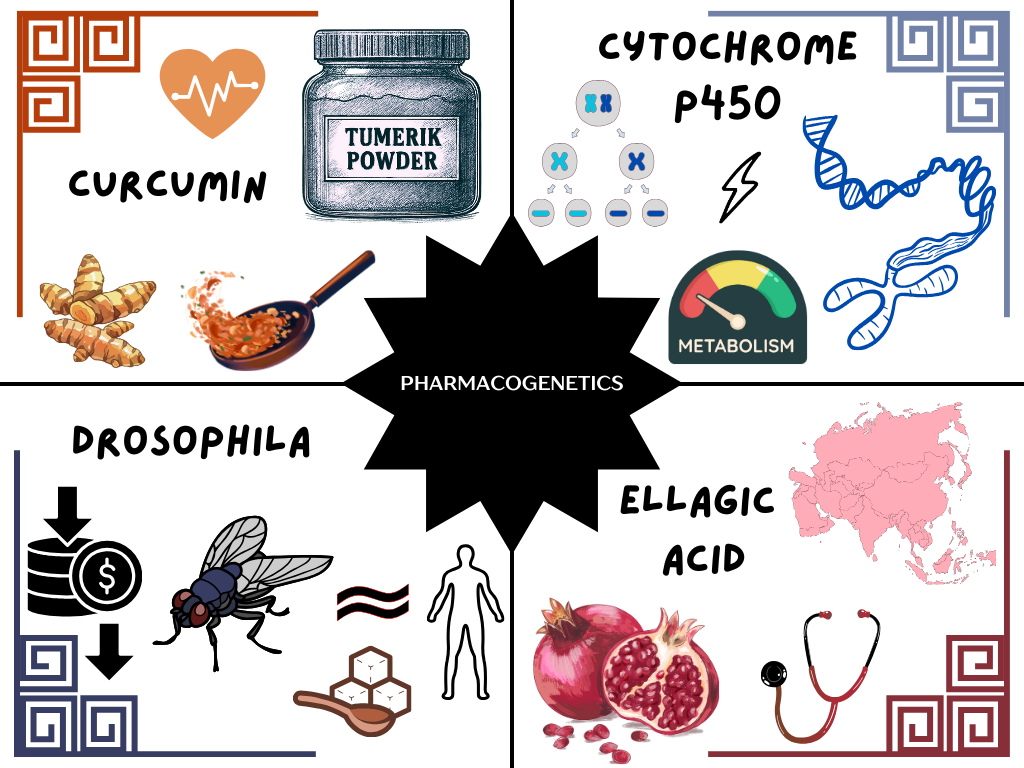
Saara's STEM graphical abstract

Want to see my research proposal? Click Here!

Significance

Despite the advances of modern medicine, one of the biggest challenges is accounting for variability in drug response. This challenge not only introduces higher long-term costs and health risks, but is also detrimental to doctors. While it is understood that genotypes determine drug response, additional information can help medical professionals align drug prescriptions and dietary recommendations to maximize both overall health and treatment outcomes. Implementing genetic testing as a standard of care, however, would introduce numerous complications, starting with a lack of information about next actionable steps, inadequate testing facilities, disruptions to pre-existing medical procedures, privacy concerns, economic barriers, and known overall efficacy. In the future, these findings that link nutrigenetics and pharmacogenetics can be used to fuel the eventual and gradual transition into specialized medicine, and be used to determine more about weight loss, athletic performance, high blood pressure, cholesterol levels, and caffeine responses, among many other phenotypes (Shaman, 2024).

Research Question

How do ethnic dietary compounds, specifically curcumin and ellagic acid, affect the efficacy of ethanol metabolism in Drosophila melanogaster?

Hypothesis

If Drosophila melanogaster are exposed to curcumin and ellagic acid for one week, then the flies will have altered drug metabolism rates and responses compared to the control group due to the modulation of cytochrome P450 enzyme activity.

Background

Saara's STEM background graphic

Having trouble viewing the document? Click Here!

Procedure

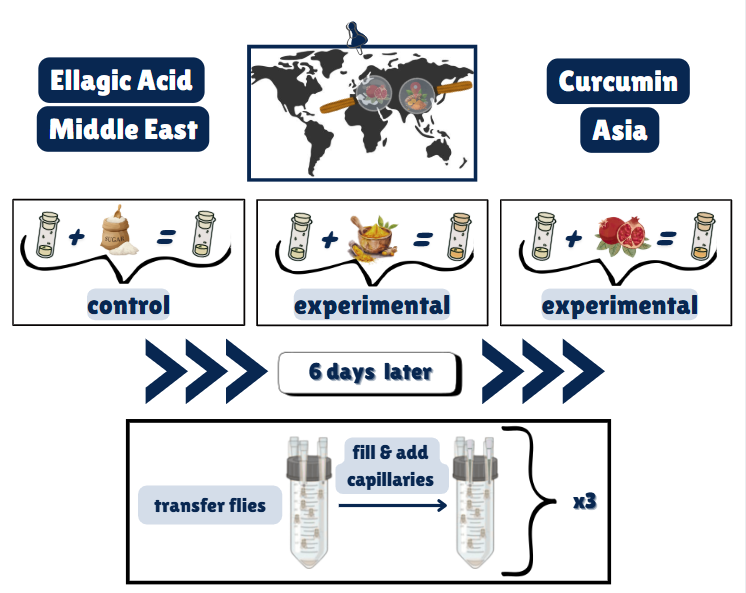
Three culture vials of wild-type Drosophila melanogaster were maintained at room temperature, 25°C, with standard light/dark cycles. One vial housed sucrose media, another was combined with curcumin powder to create a 0.5% curcumin food source, and the remaining vial combined the control media with ellagic acid to create a 200µM solution. Once fully cured, 30 flies were counted per vial and transferred into the vials with dietary compounds. They were maintained on the media for 1 week. The first test, a capillary feeder assay, was performed to measure the amount of liquid food consumed by the flies through capillary tubes. Each vial was supplied with four capillaries holding 10µL of a 5% sucrose and 10% ethanol solution each to quantify changes in food intake after 24 hours. Next, the motor function of the flies was assessed by measuring the percentage of flies that were able to climb to a 12cm mark in10 seconds. Lastly, an energy assay was conducted to quantify the frequency of wing usage over the duration of one minute. The total number of flights was recorded and averaged with three other trials to determine spontaneous locomotion in the flies.
Saara's STEM procedure

Results

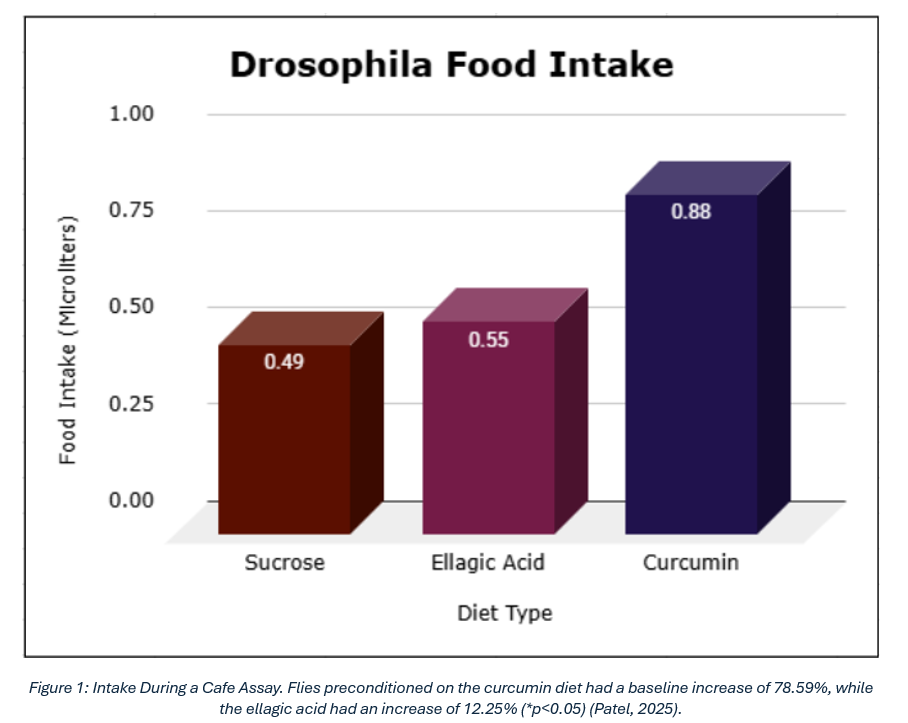
Food intake graph Data table
Energy graph Climbing graph

Analysis

I can conclude that the experimental groups have statistically significant differences in total food intake, climbing ability, and energy levels. While curcumin presented increased spontaneous energy and locomotor usage, it seems plausible that the ellagic acid improved overall neuromuscular coordination and function, as reflected in their climbing activity performance. Their high levels of locomotive activity were supported with increased food intake to meet energy demands. Overall, results show that both compounds affect physical drug response, implying genetic expression activity changes in these metabolic genes, such as CYP6a8, CYP6a2, and CYP6g1.

Discussion

Based on this, I can infer that individuals who eat turmeric or pomegranate, which are high in curcumin and ellagic acid, as a part of their daily diet may metabolize at a different rate than those who do not, perhaps needing a higher dose of the same medicine to achieve the same therapeutic effectiveness. Particularly, they may require a higher dosage if they are metabolizing material at a quicker rate. This highlights the necessity of looking at diet as a factor of pharmacogenetics in order to minimize adverse drug events and maximize drug efficiency.
References

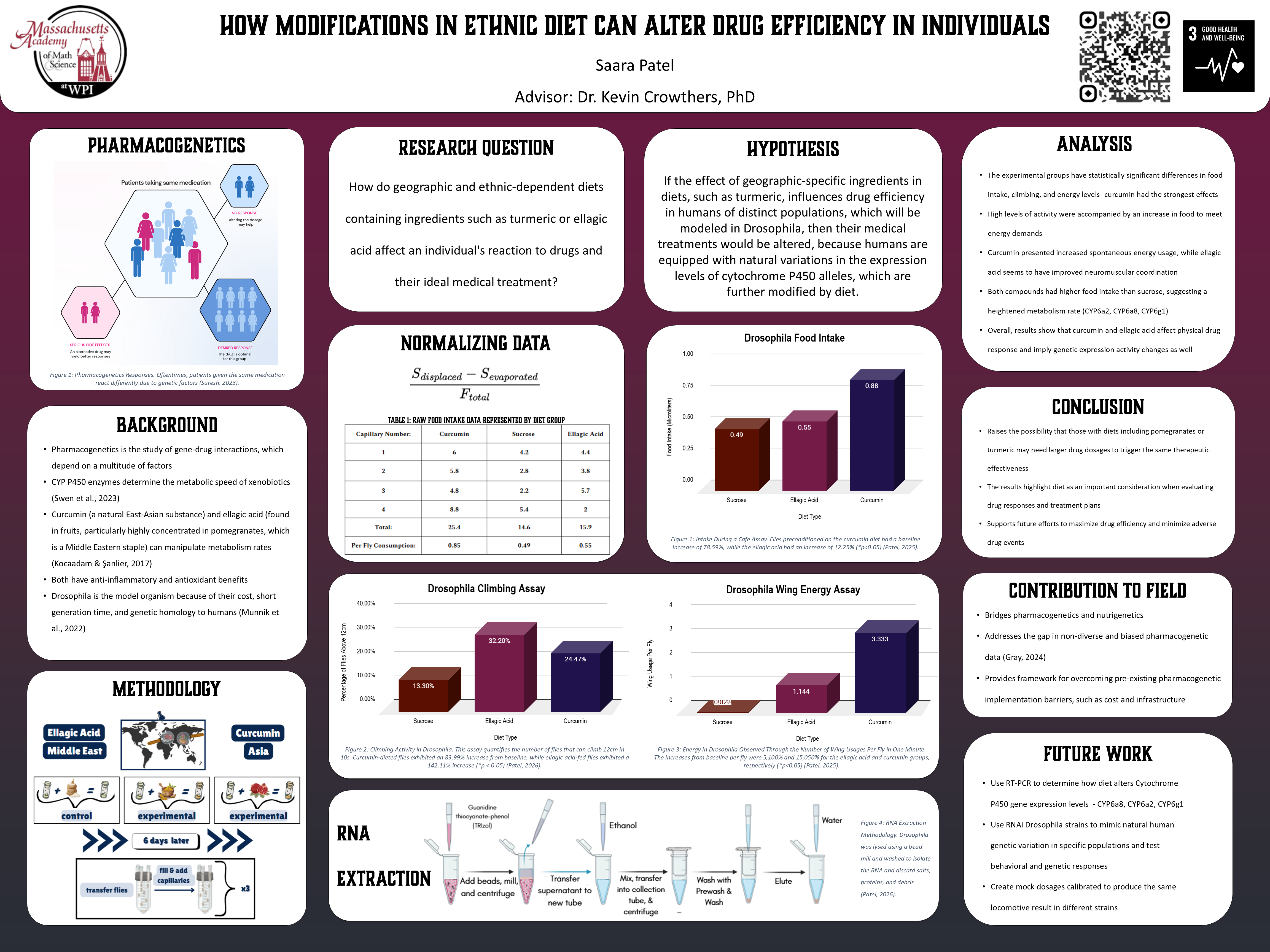
My February Fair Poster

Saara's February fair poster

Having trouble viewing the file? Click Here!