One major problem with current
ankle braces is their lack of personalized adaptability, which often
leads to discomfort for users. Since these braces apply a constant
level of pressure regardless of activity, users may experience
irritation or pain during extended wear. As a result, users tend to
remove the brace earlier than recommended, reducing the
effectiveness of the treatment and potentially worsening symptoms of
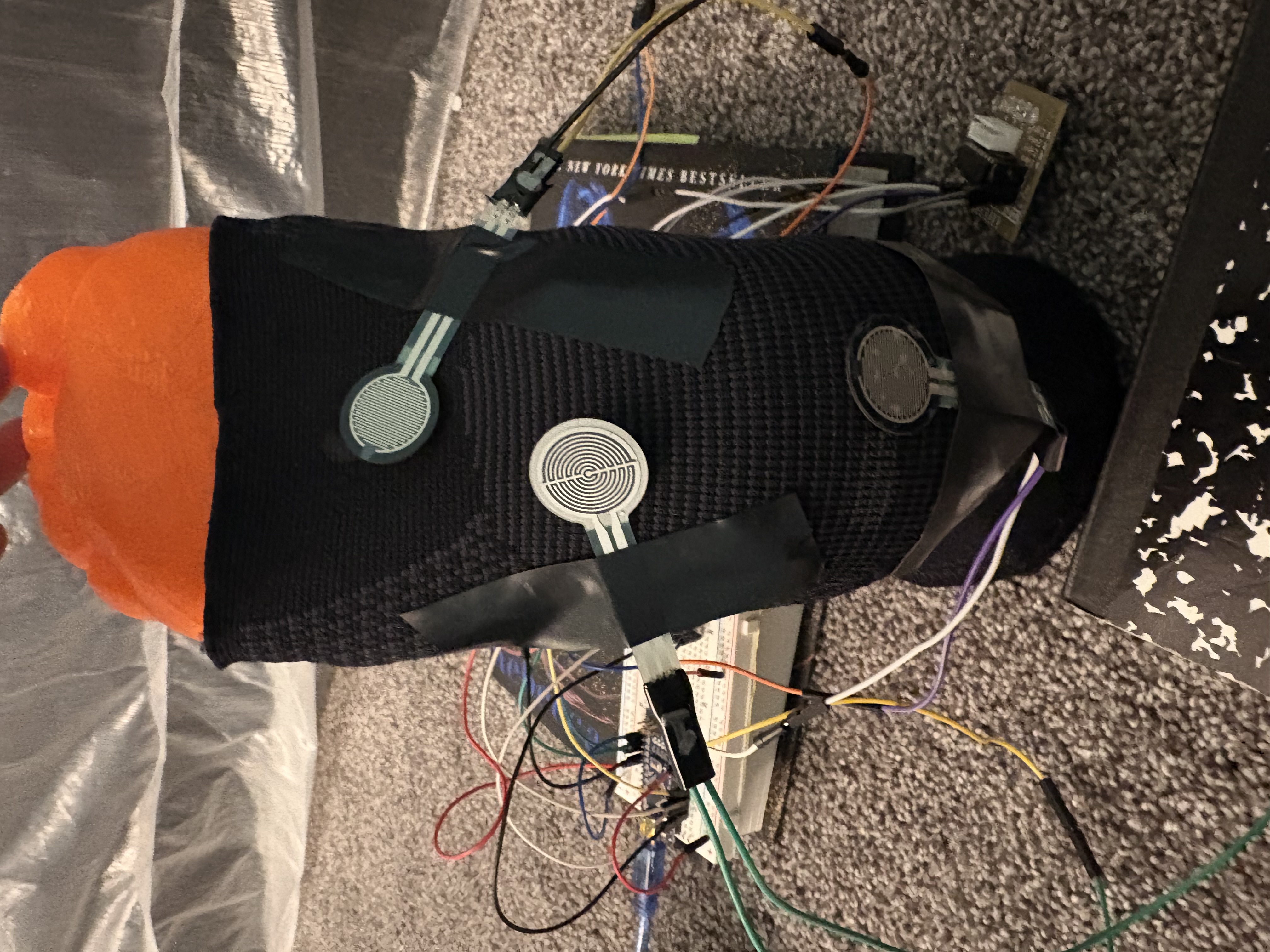
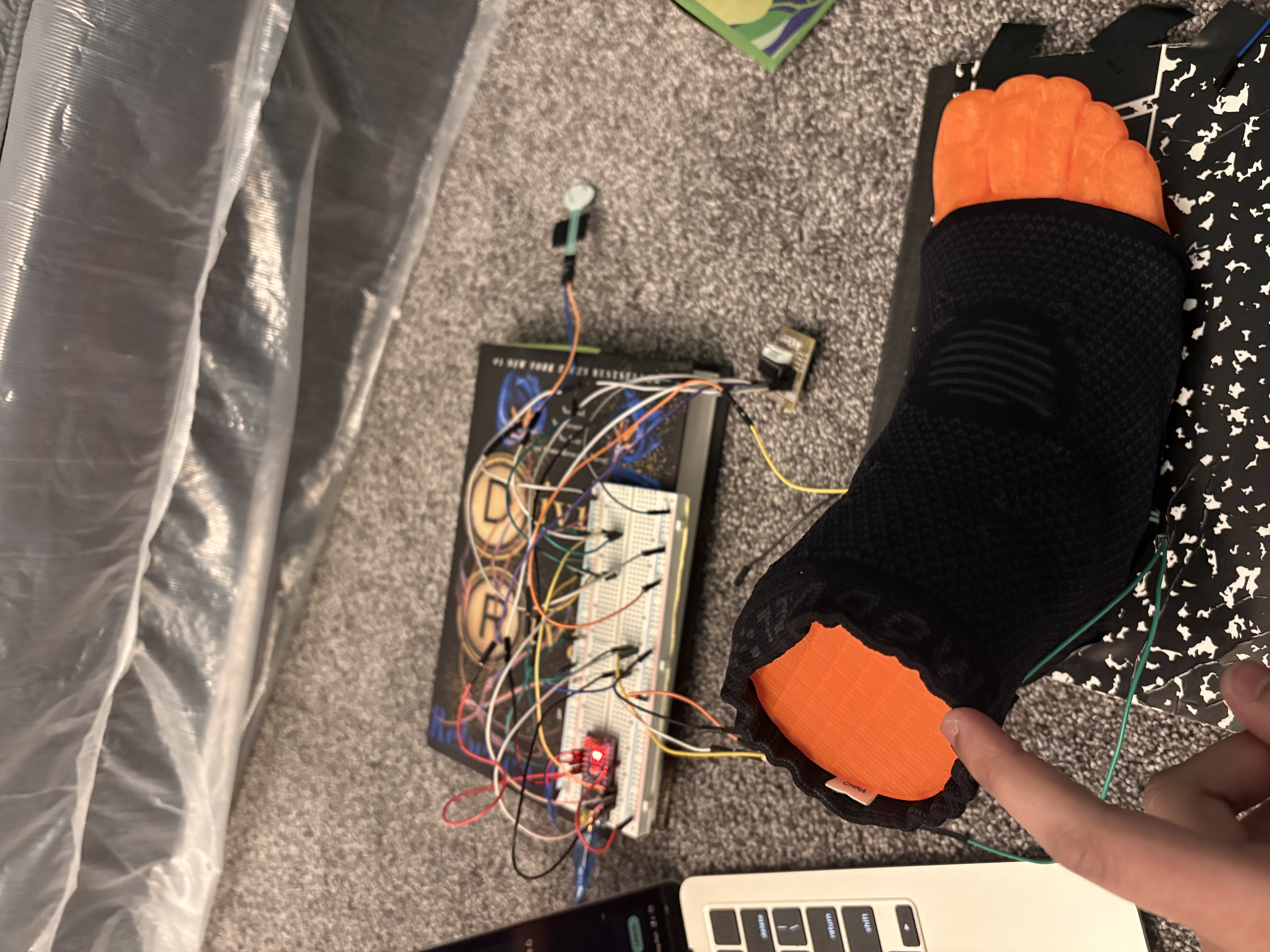
imbalance or instability. The goal of this project is to engineer an
adaptive ankle brace that can sense the amount of force placed on
the joint and automatically adjust its level of support. By
responding to real-time changes in activity and pressure, the brace
aims to maintain comfort while still providing necessary stability.
This adaptability will help increase brace wear time, improve user
compliance, and potentially prevent injury recurrence.