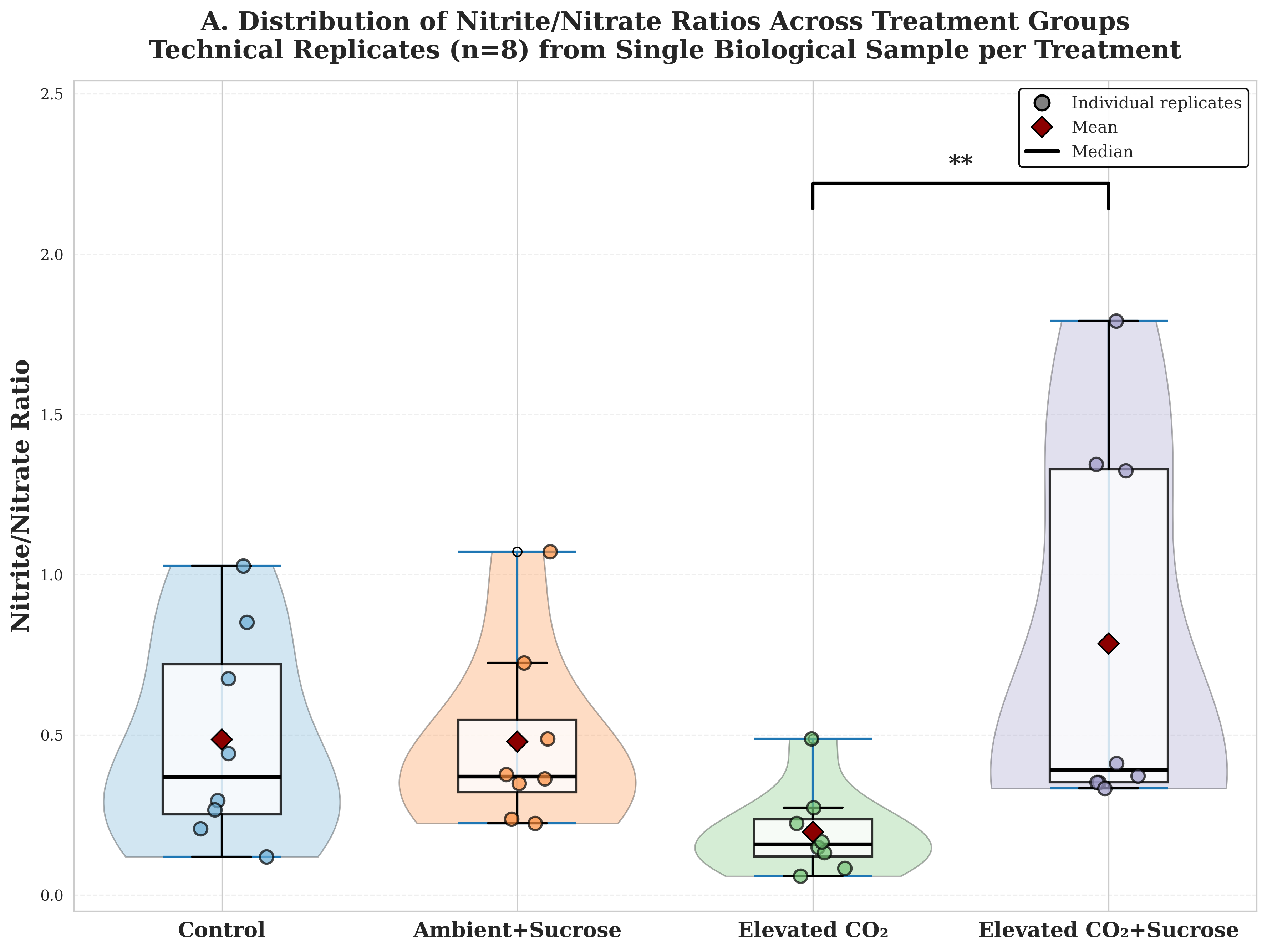
Nitrite production efficiency increased under elevated CO2 with the sucrose spray, but the same treatment saw engligible effect under ambient conditions. Increases in CO2 greatly increased nitrate intake values.
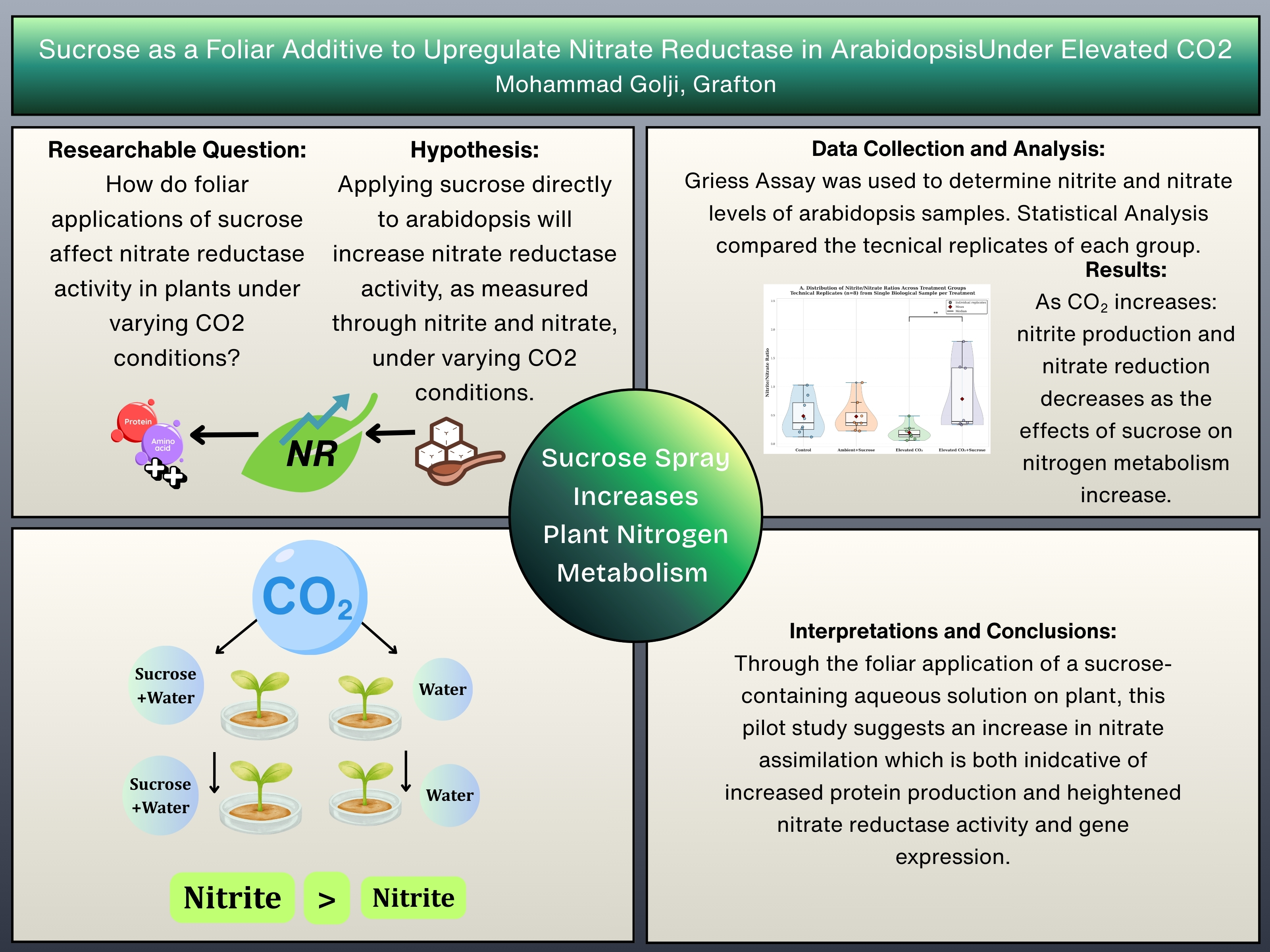
STEM is the hallmark of the Mass Academy experience. considered the most rigid and difficult class, STEM is a purely project-based course than instructs students to pursue two intense personal projects: the Independent STEM Project for A, B, and C term and the Assistive Technology project for C and D term. The class is instructed by Dr. Crowthers, who is an amazing project advisor. Assignments in STEM are long-term, including grant proposals and project theses but also formal meetings and in-class presentations. My project focuses on using sucrose as a foliar additive to increase plant nitrate assimilation (key component of nitrogen metabolism and subsequent protein production) under elevated CO2 conditions that would otherwise weaken the nitrate assimilation process. I have briefly explained this with my quad-chart below, which models the format for succinct project presentation used by ISEF. If you are having trouble viewing the chart, click here!
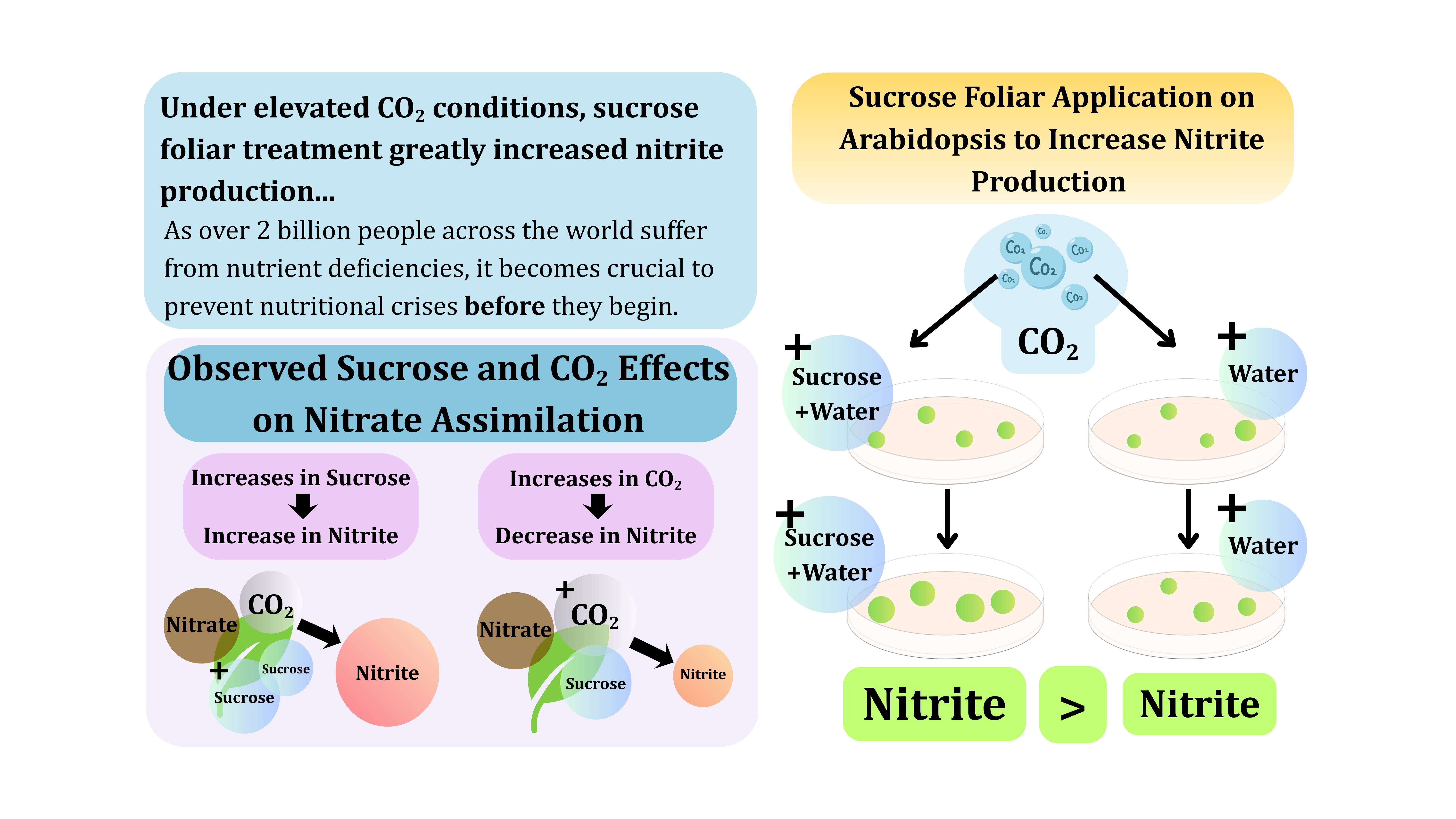
A 5% sucrose foliar solution was applied to the surface of arabidopsis plants over the course of several weeks to increase nitrite porduction. At the end of the growth period, nitrite and nitrate were measured where it was observed that under elevated CO2 conditions, sucrose greatly increases nitrate reduction, which is consistent with greater nitrate reductase activity
Every year, ambient CO2 levels increase around the world. While widely acknowledged to contribute to greater plant growth, new research indicates that there is a subsequent decrease in plant protein production through the downregulation of the enzyme Nitrate Reductase. Nitrate Reductase converts nitrate into nitrite and is notably affected by increases in CO2. Sucrose is proven to increase Nitrate Reductase activity in-vivo. Therefore, a 5% sucrose foliar solution can be applied to samples of a. Thaliana to increase the enzymatic production of nitrite and encourage greater protein production. Arabidopsis lines CS76348 and CS78856 were grown under sterile conditions in normal and elevated CO2 conditions. Half of these were applied with a 5% sucrose solution weekly. After 3 weeks of growth with treatment, 1 sample was taken from each group, and their Nitrate and Nitrite levels were measured spectrophotometrically using the Griess Assay. Remarkably, plant samples with the CO2 treatment exhibited significantly less NR activity, measured through the reduction of nitrate to nitrite, compared to those grown in ambient conditions. Conversely, the sucrose treatment increased NR activity in the elevated CO2 group by 397%. By using sucrose as a foliar treatment under elevated environmental CO2 conditions, this research indicates that the production of nitrite via Nitrate Reductase can be increased. To confirm the use of this method in agriculture, amino acids must be subsequently measured to provide a glimpse into the true implications of increases in nitrite on plant protein production.
How do foliar applications of sucrose affect nitrate reductase activity in plants under varying CO2 conditions?
Applying sucrose directly to Arabidopsis will increase nitrate reductase activity, as measured through nitrite and nitrate, under varying CO2 conditions.
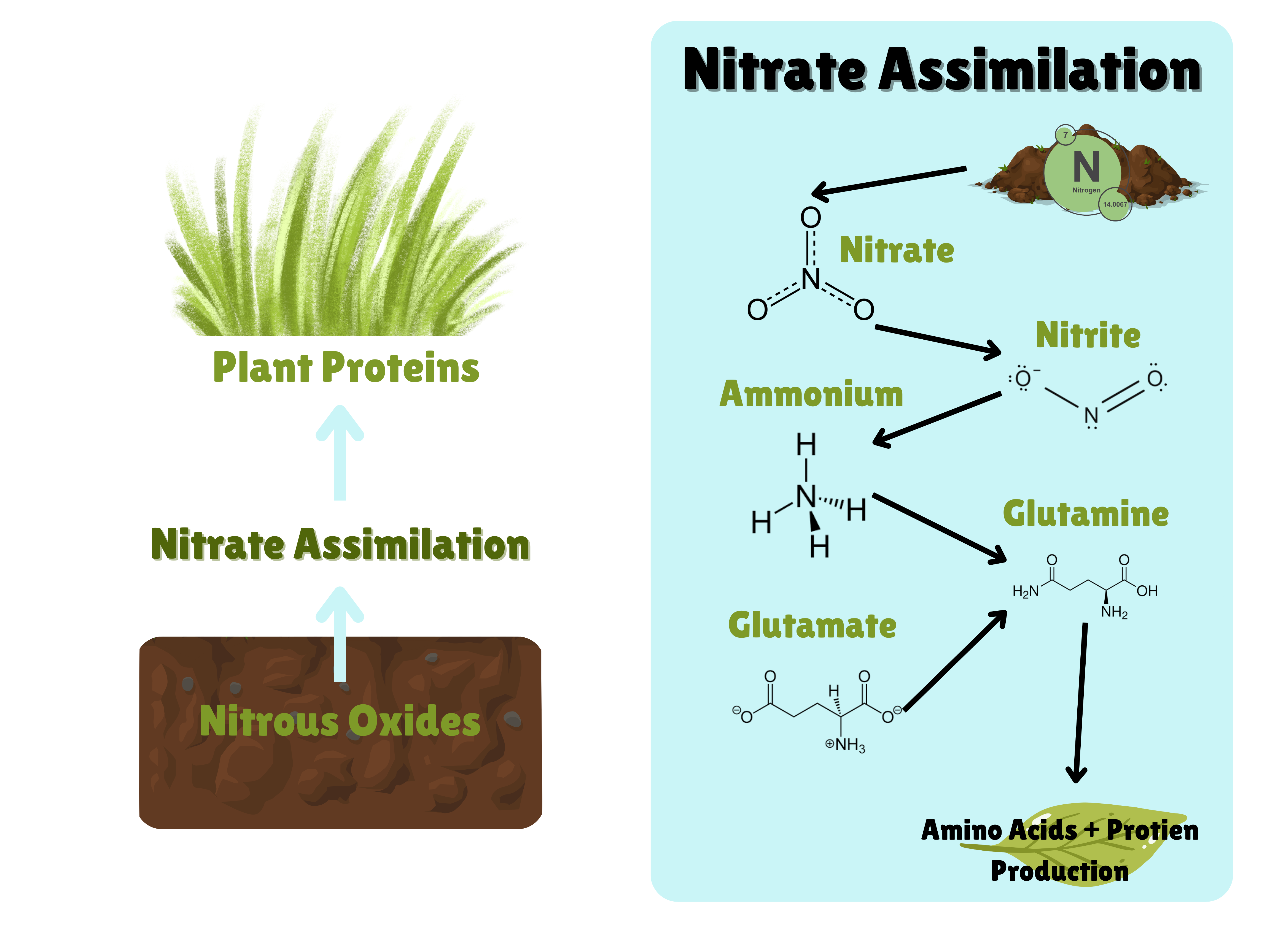
Atmospheric CO2 levels are increasing unprecedentedly across the Earth as growing populations drain the planet’s resources and release greenhouse gases into the atmosphere. Increases in CO2 have profound impacts on plant biochemistry, where carbon metabolism is notably increased while certain aspects of nitrogen metabolism are in turn dysregulated (Yanagisawa, 2014). This is specifically prominent in plant protein production, where crops grown in elevated CO2 conditions produced 4% less protein than typical yields (Beach et al., 2019). While existing studies have demonstrated an increase in plant protein production through the upregulation of Nitrate Reductase (a key component of nitrogen metabolism) experimentally, this has not been observed on the agricultural level (Tissink et al., 1998). Over the last 100 years, CO2 levels in the atmosphere have increased unprecedently. An accelerating trend, these rises in fossil fuel use and growing human populations drain the planet of its resources while pumping back toxic and unwanted gases into the atmosphere throughout the process. As this occurs, the ozone layer in the upper atmosphere is depleted, exposing the earth and its organisms to greater heats and radiations that the ozone layer in its natural state would have shielded them from. Not only does this process adjust atmospheric gas distributions but greatly increases drought prevalence according to several IPCC simulations. (Tissink et al., 2025; Sheffield, Wood, 2008). Plants supply vast amounts of nutrition to populations worldwide. For many, an increase of CO2 is no concern—carbon dioxide is critical to plant growth, and many studies have proven an increase in plant activity under future climate conditions (Uddling et al., 2018). However, the effects of elevated CO2 run much deeper than photosynthesis and biomass surplus. A plant, like any organism, is made up of many components and biological machines that require balance and nutrition to stay healthy. As plant sugars and starches increase with CO2, amino acids and proteins are needed to increase concurrently to support the expanding organism. Unfortunately, under elevated CO2, this fails to occur. High doses of carbon dioxide de-regulate critical enzymes involved in the baseline production of proteins, specifically nitrate reductase, which converts nitrate (a nitric compound from the soil) into nitrite (a nitric compound used to develop amino acids) to be synthesized further (Stitt & Krapp,1999). Nitrate Reductase is an enzyme controlled by the NR gene. Alongside Glutamine Synthetase—another enzyme which develops plant nutrients through nitrate assimilation—, Nitrate Reductase is a key step in protein production via nitrate assimilation. Nitrate assimilation is the process which converts nitric oxides gathered from the soil through plant roots into different molecules in the order of nitrite, ammonium, and finally glutamine to be composed into amino acids (Titheradge, 1998). These amino acids are then put together in long molecular chains to form proteins, which define a plants structure and contribute greatly to its nutritional value for consumers. A wide variety of factors influence the process of nitrate assimilation and the activity of nitrate reductase, consisting primarily of sucrose and glucose levels, plant hormones (cytokinin) and CO2 (Morcuende et al., 1998; Yanagisawa, 2014). Sucrose functions as a signaling molecule for both carbon and nitrogen metabolism, where it both encourages photosynthetic processes while inducing nitrate assimilation across multiple environments, including during periods of carbohydrate depletion. Cytokinin directly stimulates NR expression, the gene responsible for nitrate reductase activity, thus increasing nitrate assimilation, and is modulated by the presence of nitrate (Yanagisawa, 2014). And while these factors can increase the behavior of Nitrate Reductase, CO2 presence despite its relationship with sucrose production does the opposite and in excess deregulates critical nitrate reductase activity (Yanagisawa, 2014). This is because as CO2 levels rise, the plant shifts its metabolic priority towards carbon storage, reducing the effect of sucrose signaling and leading to an eventual carbon-nitrogen imbalance to reduce the activity of Nitrate Reductase. In a future climate scenario with high levels of CO2, finding feasible means to increase the activity of nitrate reductase through environmental signaling is needed to prevent the global crop nutritional values from reaching a new low. The reduced nitrate assimilation and the subsequent loss in protein production becomes a problem for populations worldwide because their crops have a significantly decreased nutritional value. Humans as omnivores especially require a balanced combination of carbohydrates, fibers, and proteins in their diets; elevated CO2 disrupts this balance on the agricultural level (Ziska, 2022). According to a recent projection, losses of 2.4%-4.3% are expected in the global availability of protein, iron, and zinc which are especially targeted in Sub-Saharan African and South-East Asian populations (Beach et al., 2019). A solution must be made to address this rising threat.
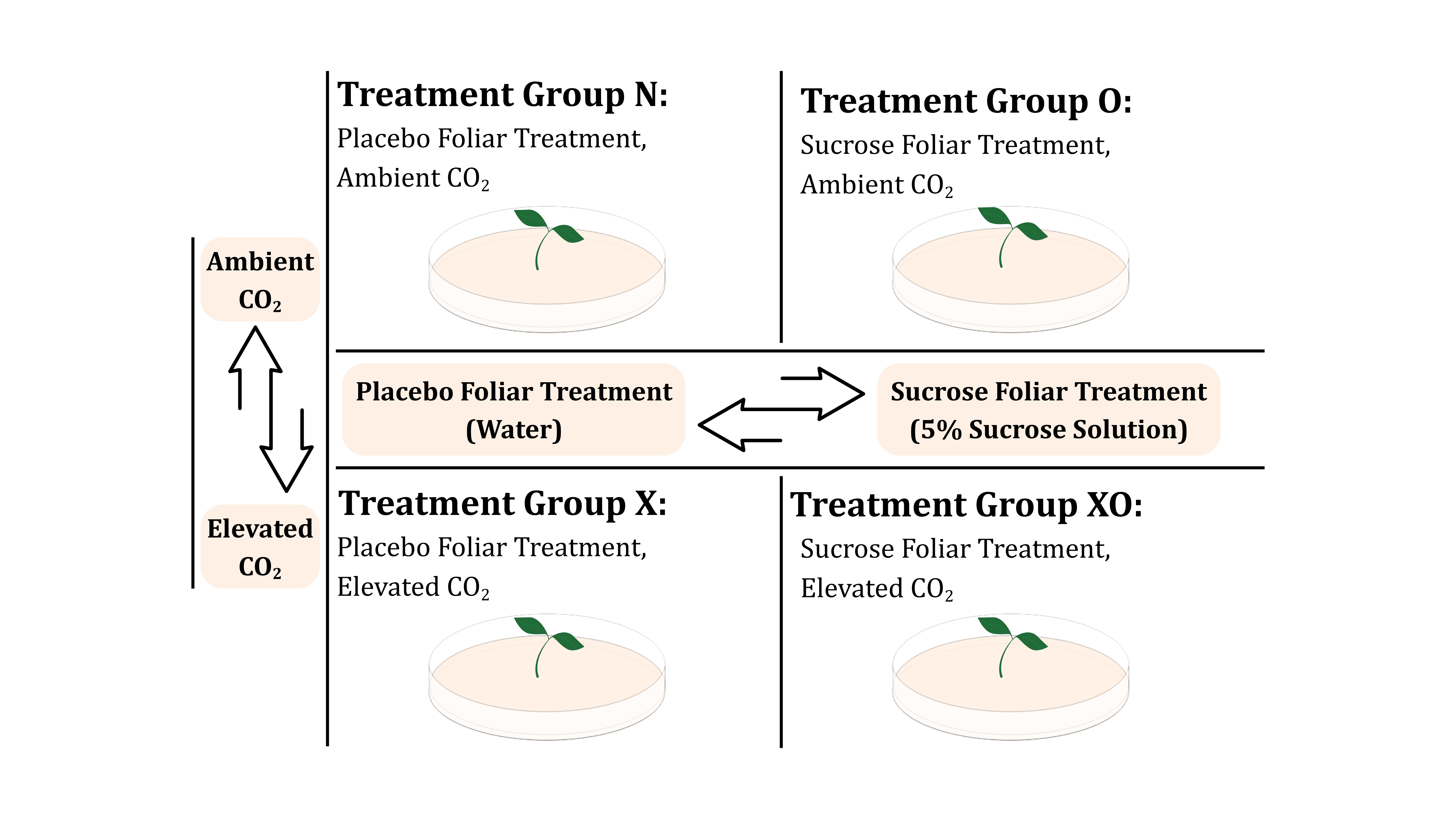
Arabidopsis (A. Thaliana) was selected as the sample organism for its short growth cycle and established use in the field. 100 seeds of both Arabidopsis plant lines CS76348 and CS78856 were sterilized and stratified for four days. Germination completed naturally under artificial lighting, the plants remained in agar solutions. Plants were split into 4 treatment groups, based on the atmospheric CO2 level (ambient versus elevated) and foliar treatment (placebo versus sucrose). For the foliar sucrose treatment, 5% granulated sucrose and distilled water solution were applied weekly with pipette. Autoclaved water prepared as placebo, which was applied in the same manner. Elevated CO2 was applied through growth in a plexiglass CO2 container, which was kept at approximately 1300ppm. After one month of growth, plants were assayed for their nitrite and nitrate content using the Griess assay, which develops spectrophotometric absorbance readings that are interpreted alongside a standard curve.
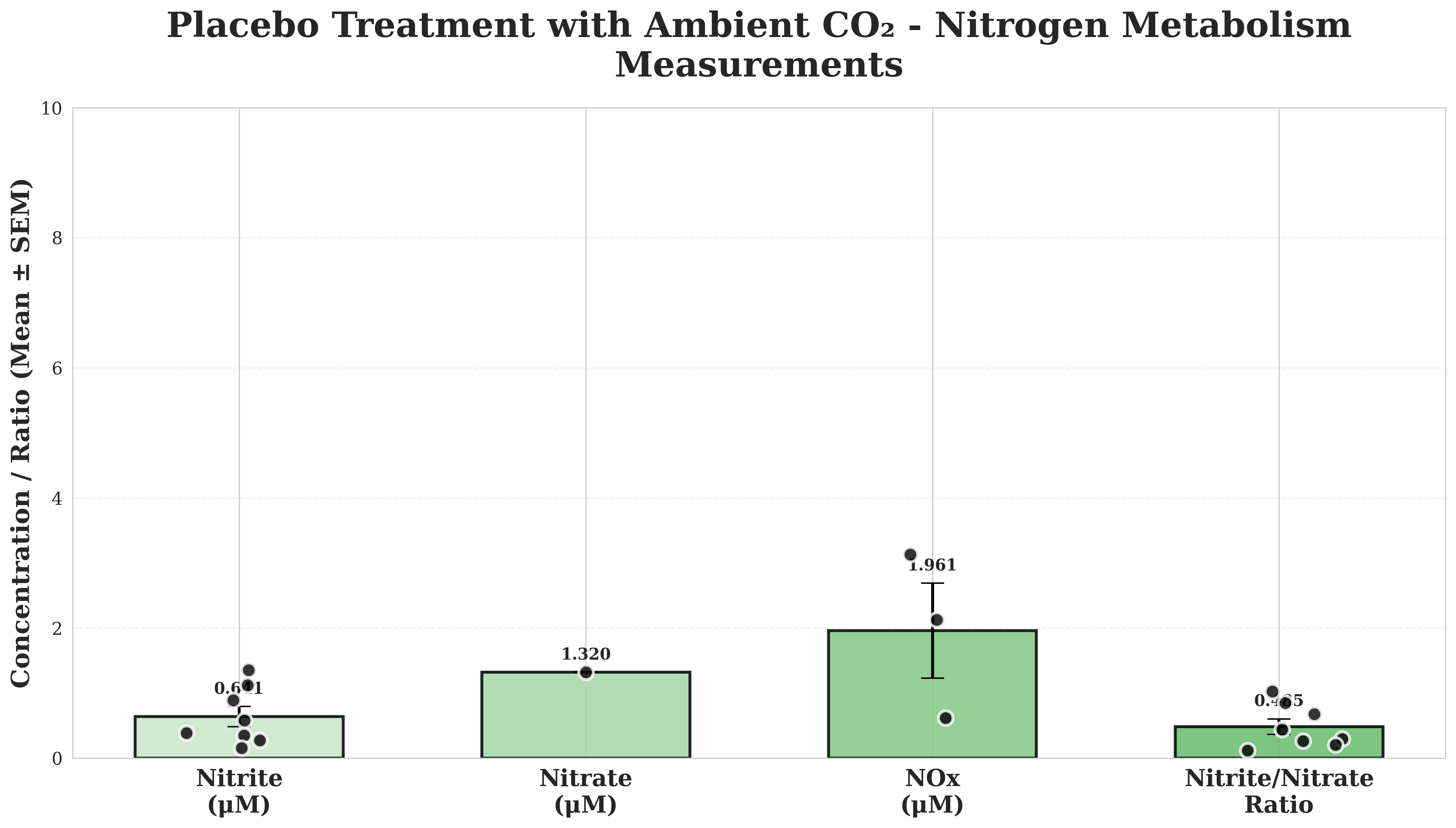
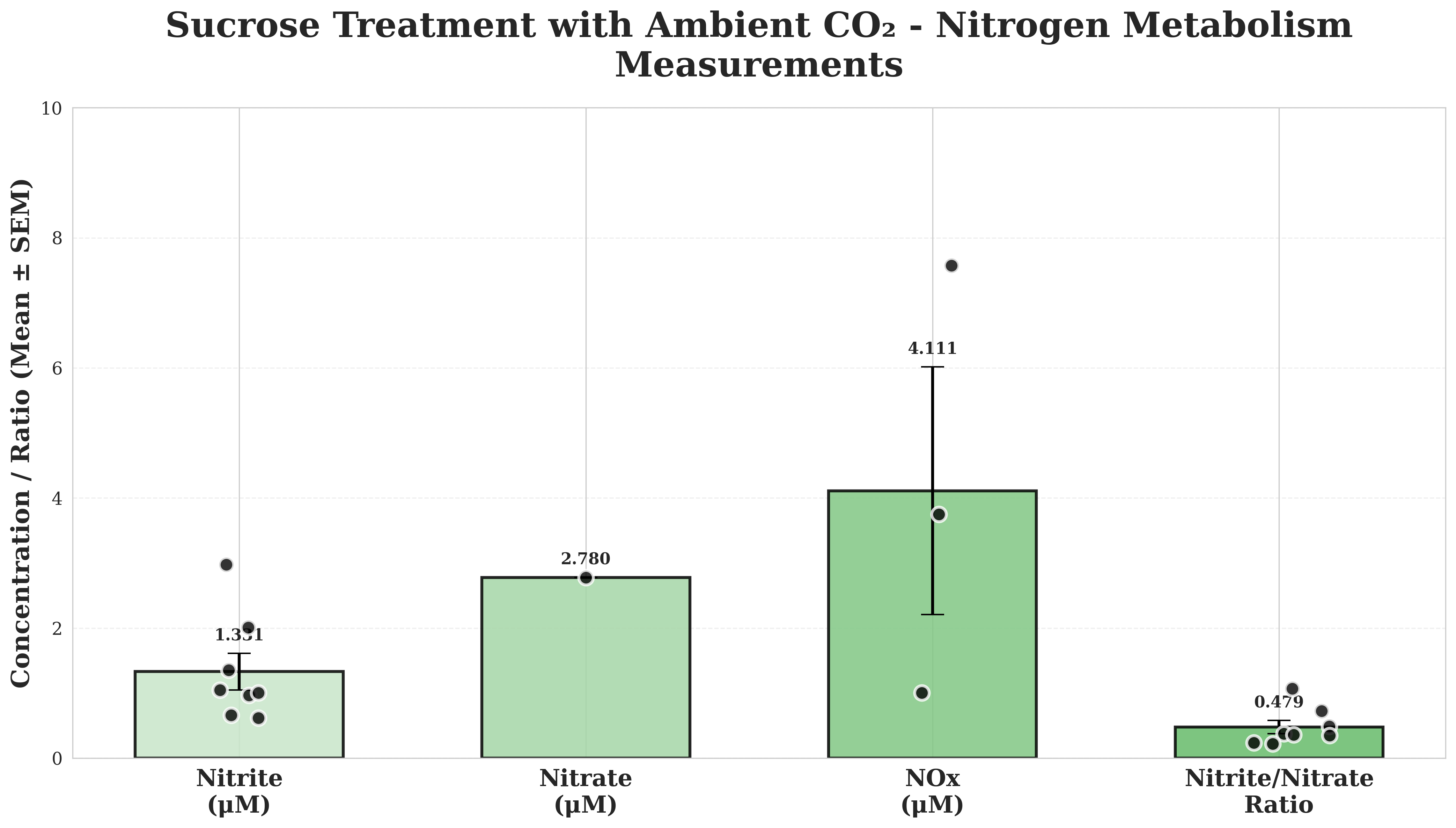
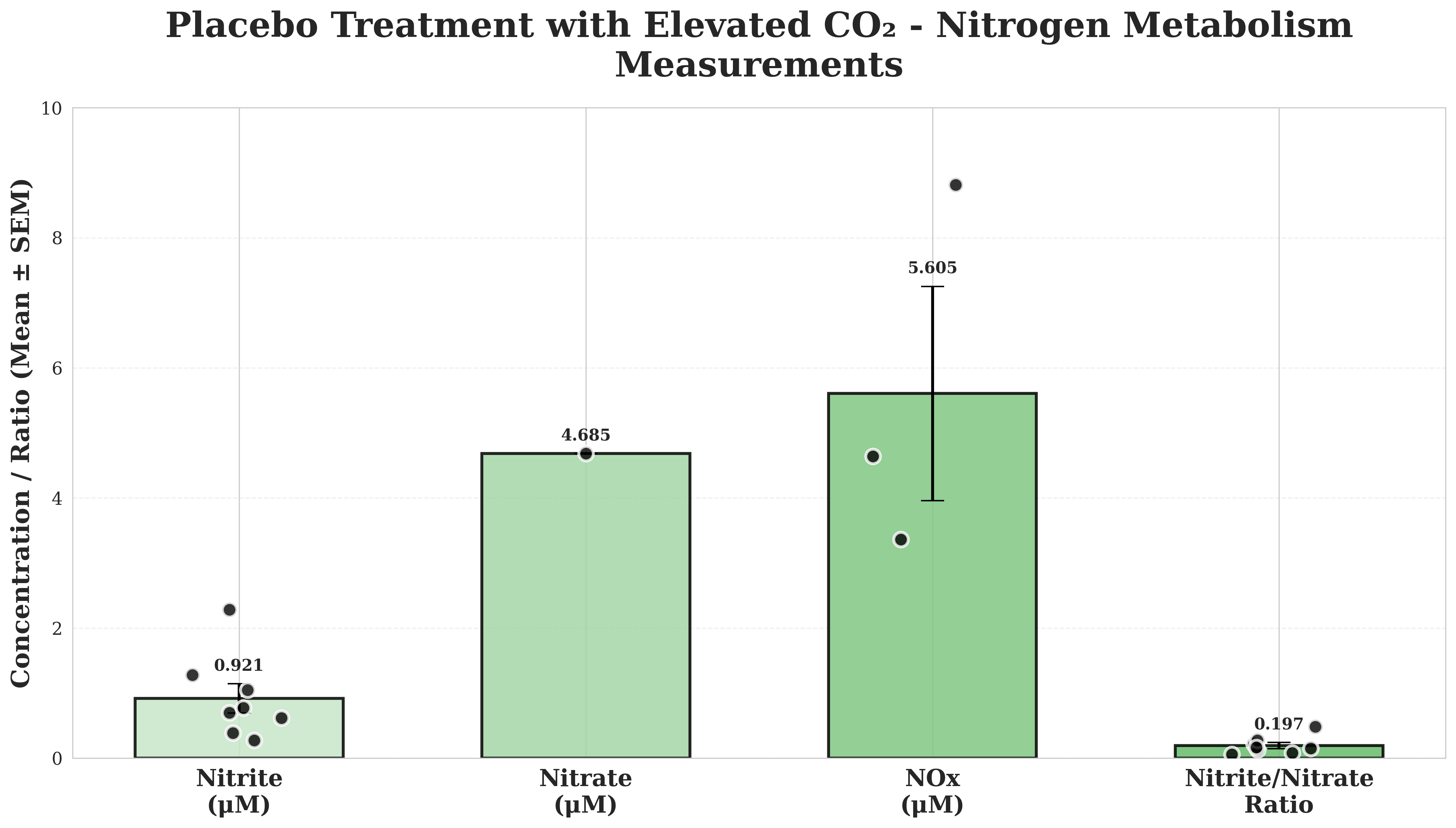
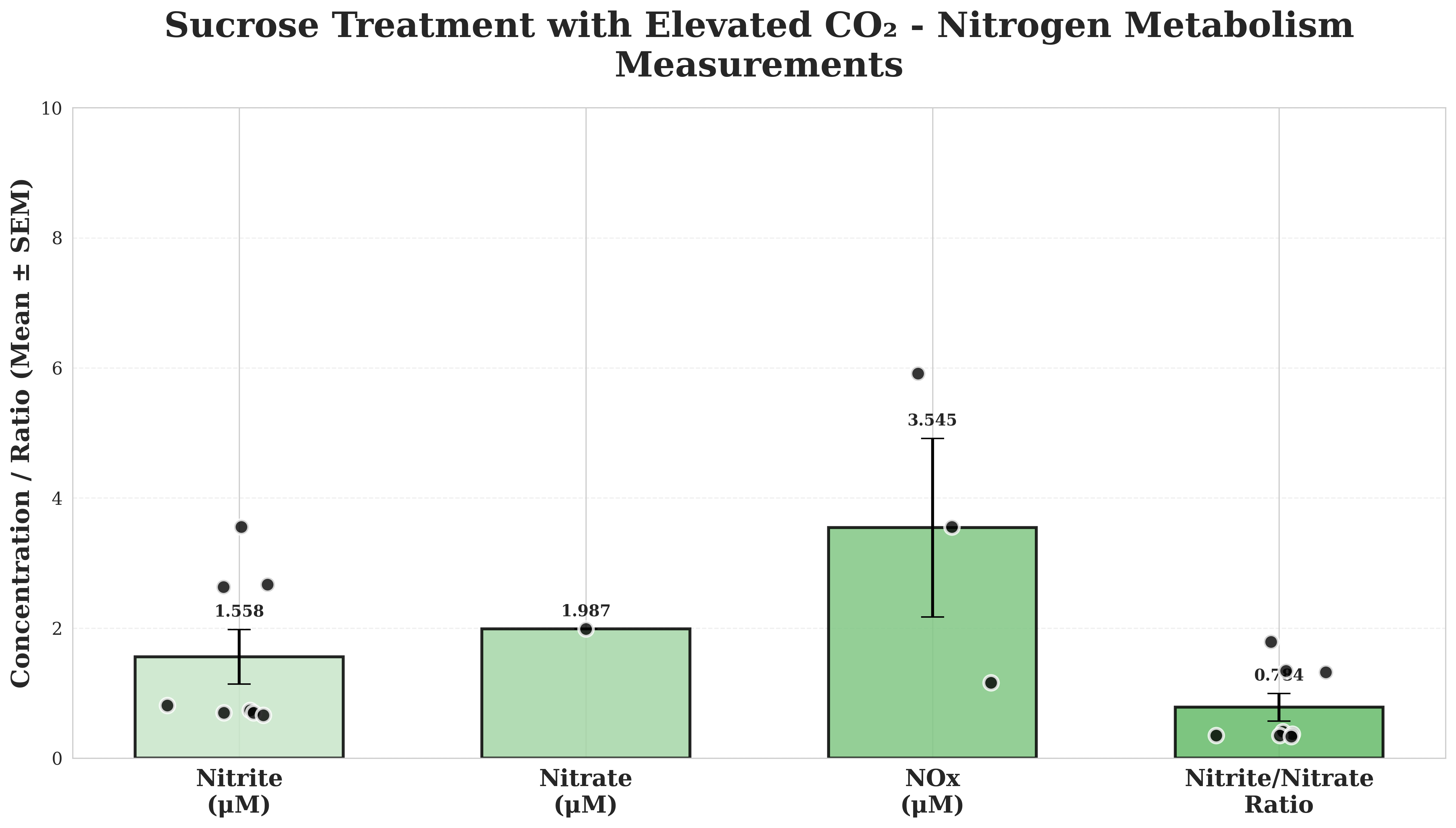
Nitrite production efficiency increased under elevated CO2 with the sucrose spray, but the same treatment saw engligible effect under ambient conditions. Increases in CO2 greatly increased nitrate intake values.
The sucrose foliar treatment consistently increased nitrite concentration across ambient and elevated CO2 conditions, but only meaningfully increased the relative nitrate reduction index (nitrite/nitrate) under elevated CO2. Under ambient CO2 conditions, this pilot study implies that sucrose may increase total nitrite produced through nitrate reduction, but nitrate reduction rate will not exceed nitrate accumulation. Conversely, the findings within the elevated CO2 treatment groups suggest that under elevated CO2, nitrate reduction efficiency is significantly increased, strongly consistent with heightened nitrate reductase activity.