
Microplastics are being investigated more and more every day, with a particularly new field being how microplastics affect the human body. As this field is relatively new, a lot of the research is directed towards understanding how microplastics interact with the body, where they are able to end up, and how harmful can they be. However, not a lot of research has been done to look at how effects in one system can affect other systems, such as if the microplastics that can pass down from parent to offspring can affect the cardiovascular system of sed offspring. This project aims to address this gap by looking at how different polymers and sizes of microplastics can affect the filial generation of D. magna.
Click for the pdf here!
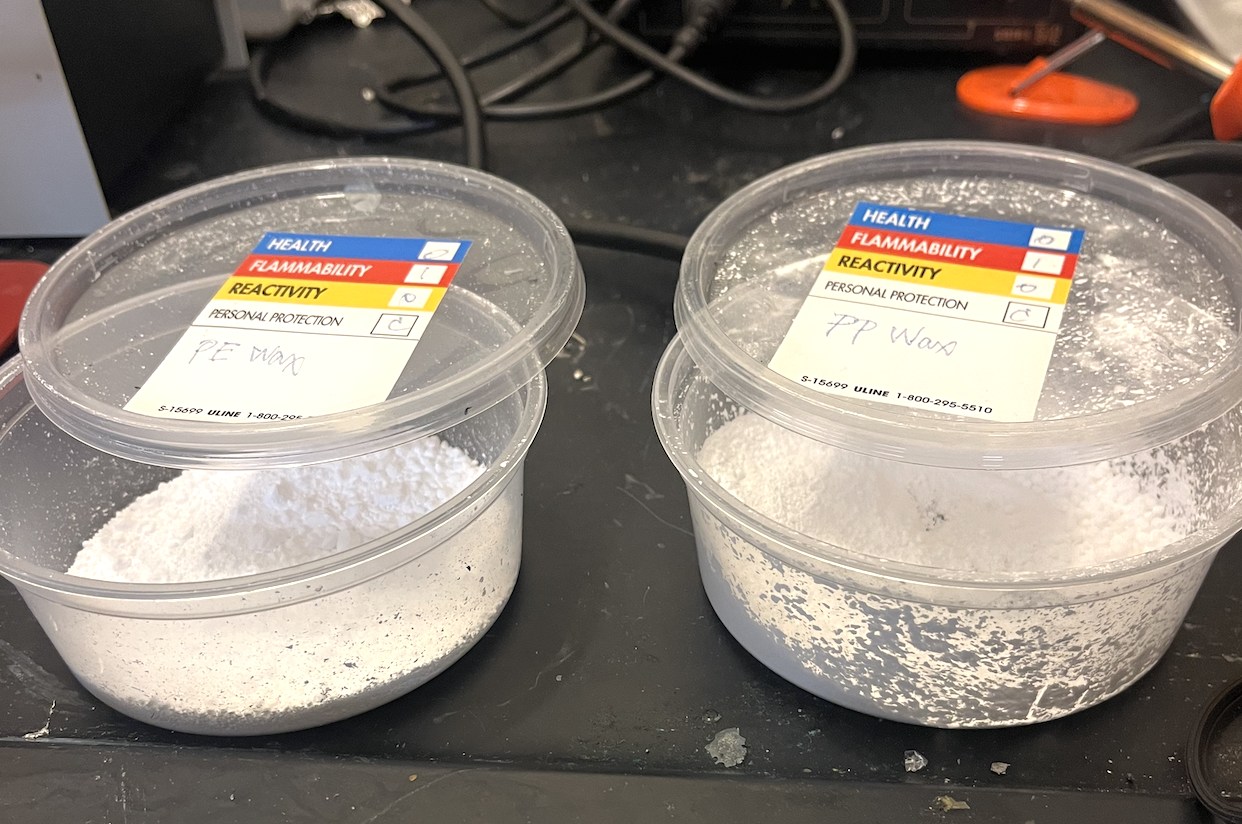
Figure 5. The polyethylene (left) and polypropylene (right) microplastics used for making the solutions throughout the experiments.
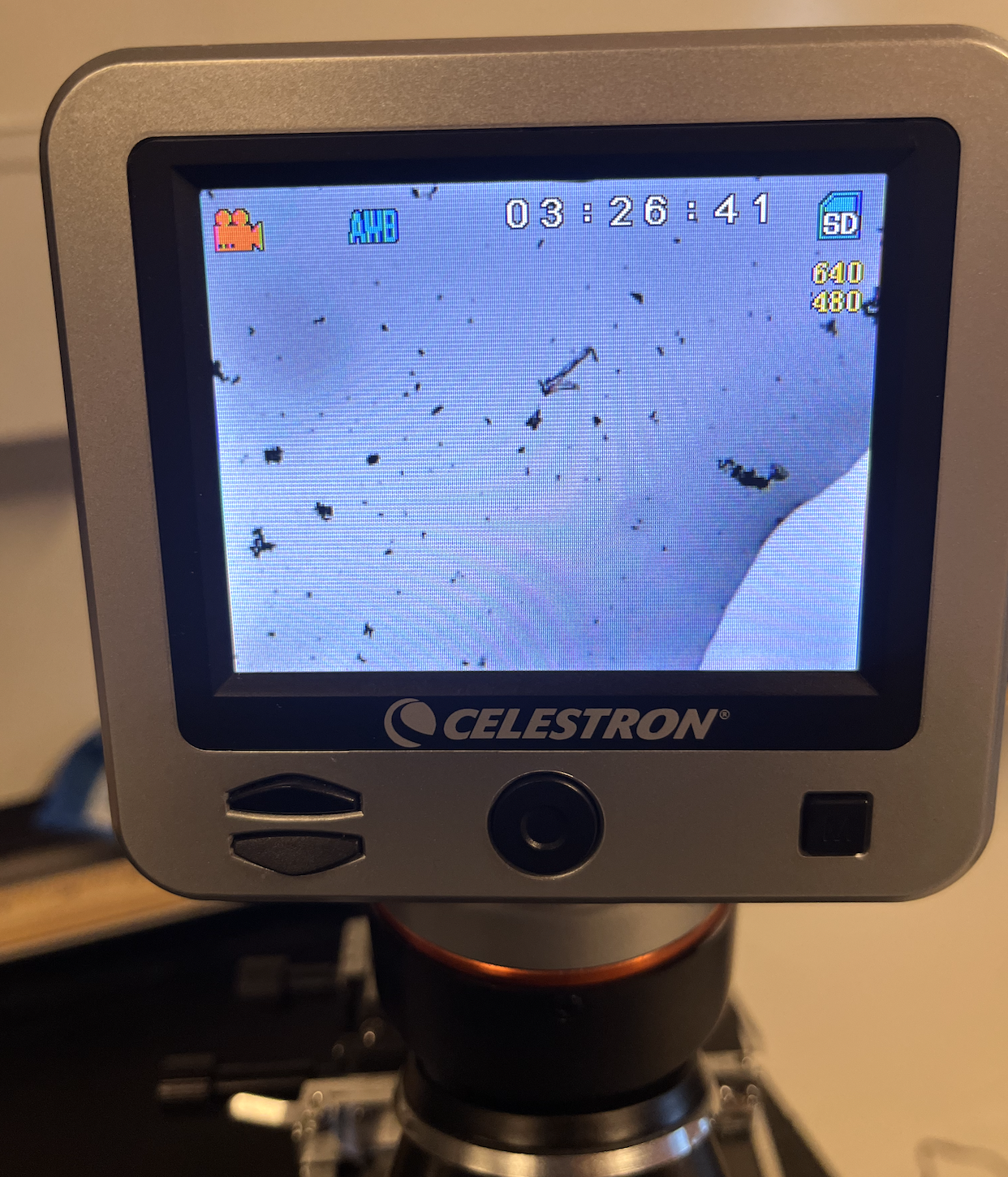
Figure 6. A picture of the polyethylene microplastics under the microscope.
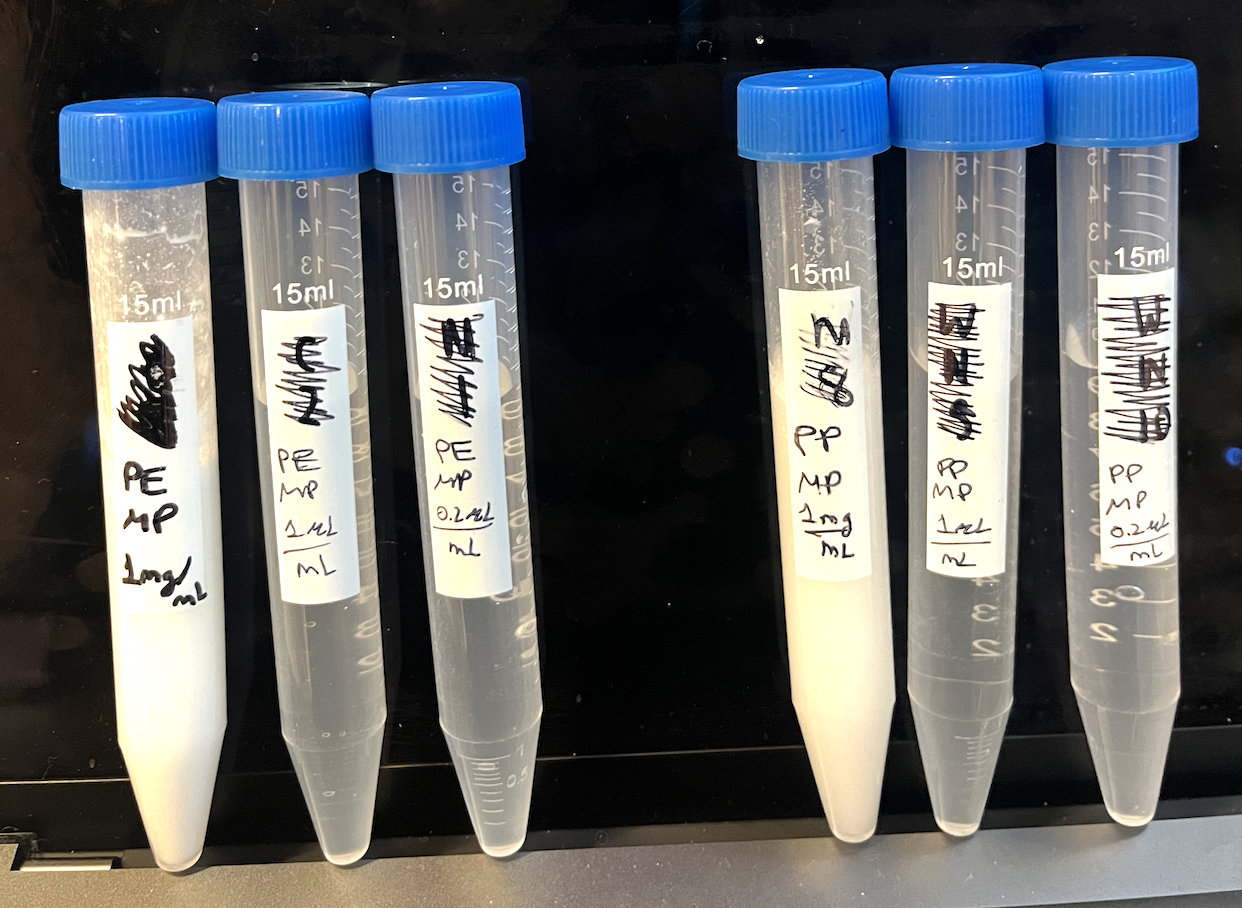
Figure 7. The microplastic solutions made for the experiment. The "PE MP 1mg/mL" and "PP MP 1mg/mL" were stock solutions, while the rest were the experimental solutions derived from the stock solutions.
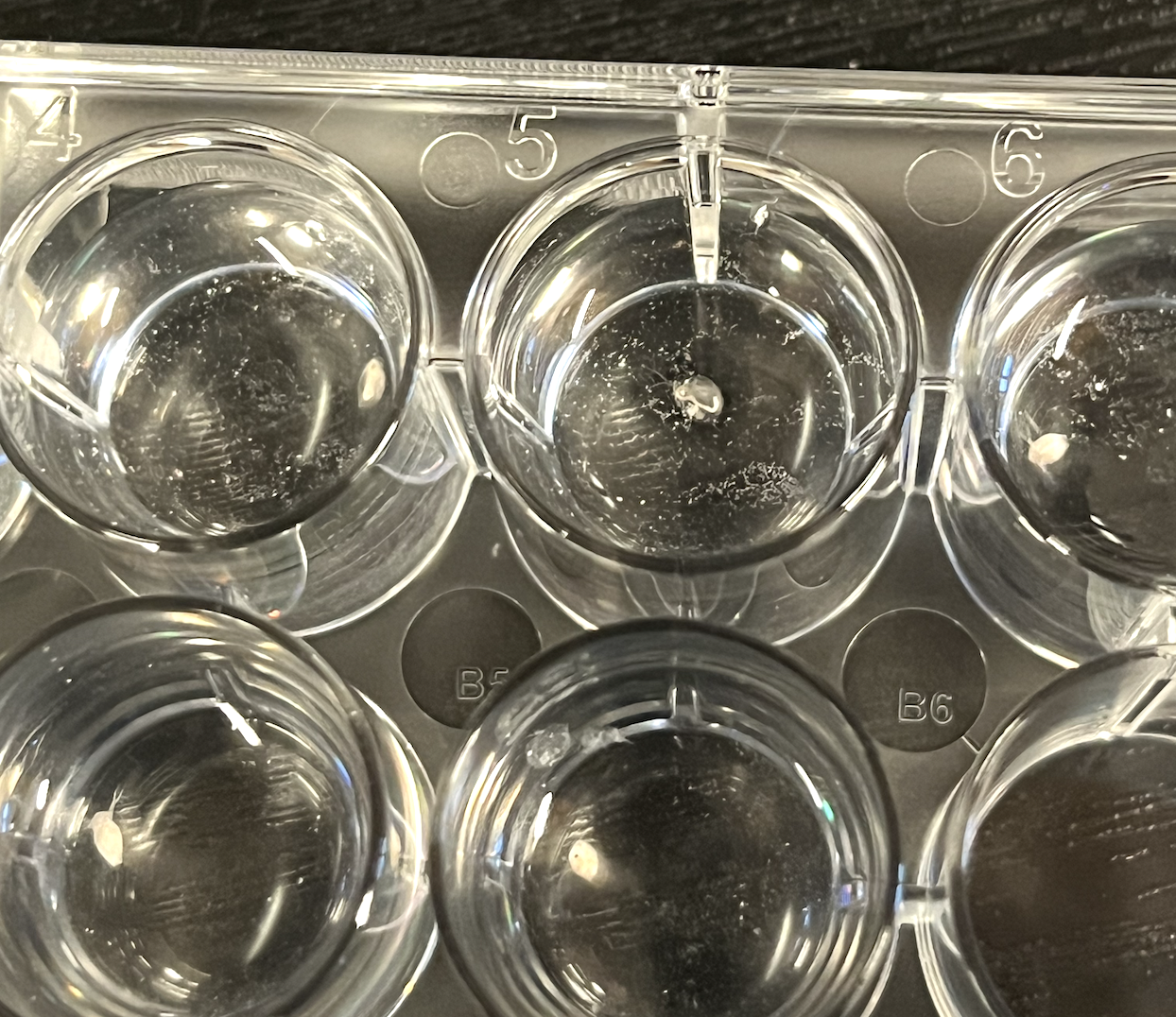
Figure 8. An image of some D. magna in the polyethylene 1µL/mL suspension after 24 hours. The D. magna in well 5 has a white gut, signifying microplastic intake.
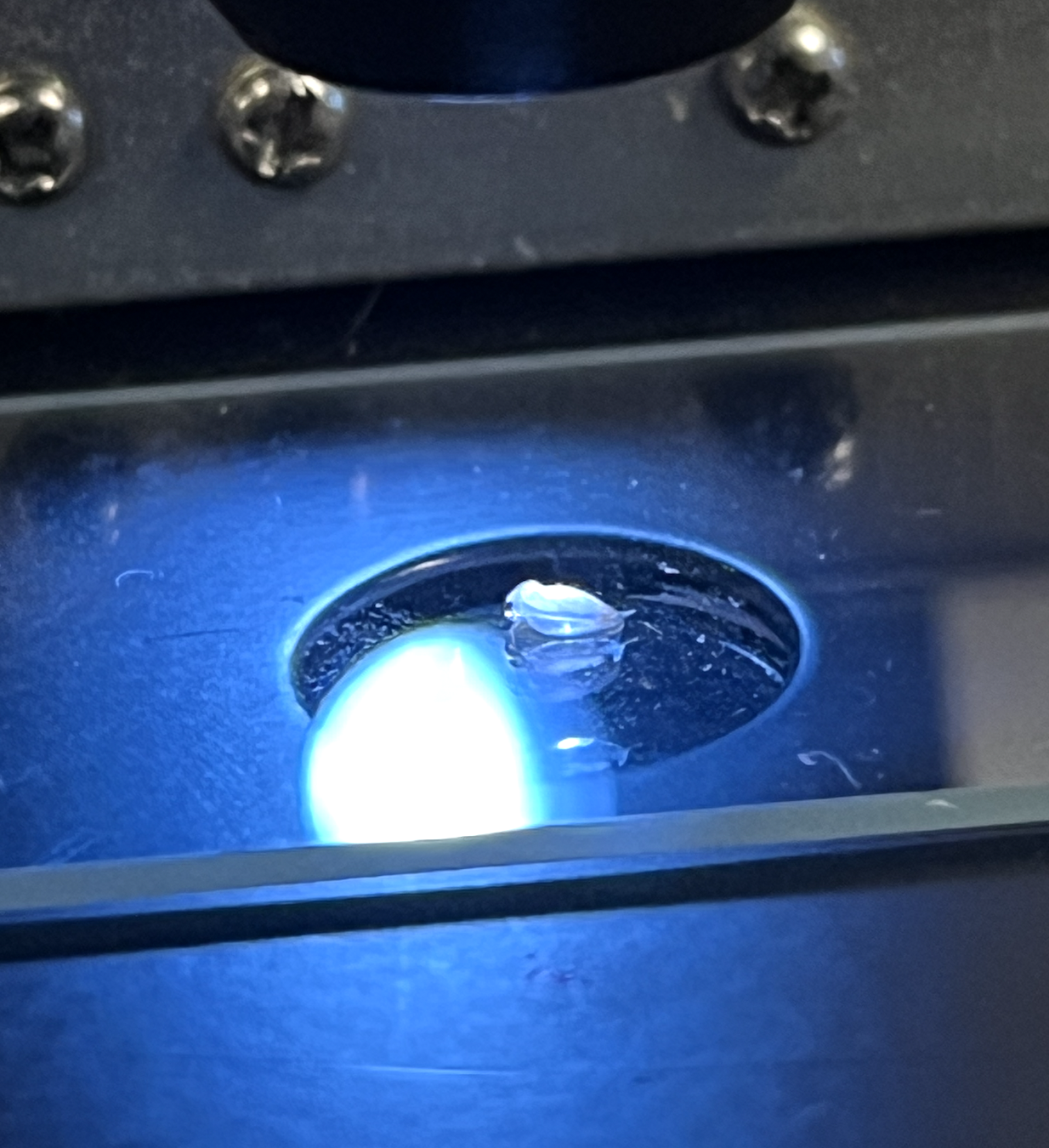
Figure 9. An image of a D. magna on a slide under the microscope after being left in a suspension for 24 hours.
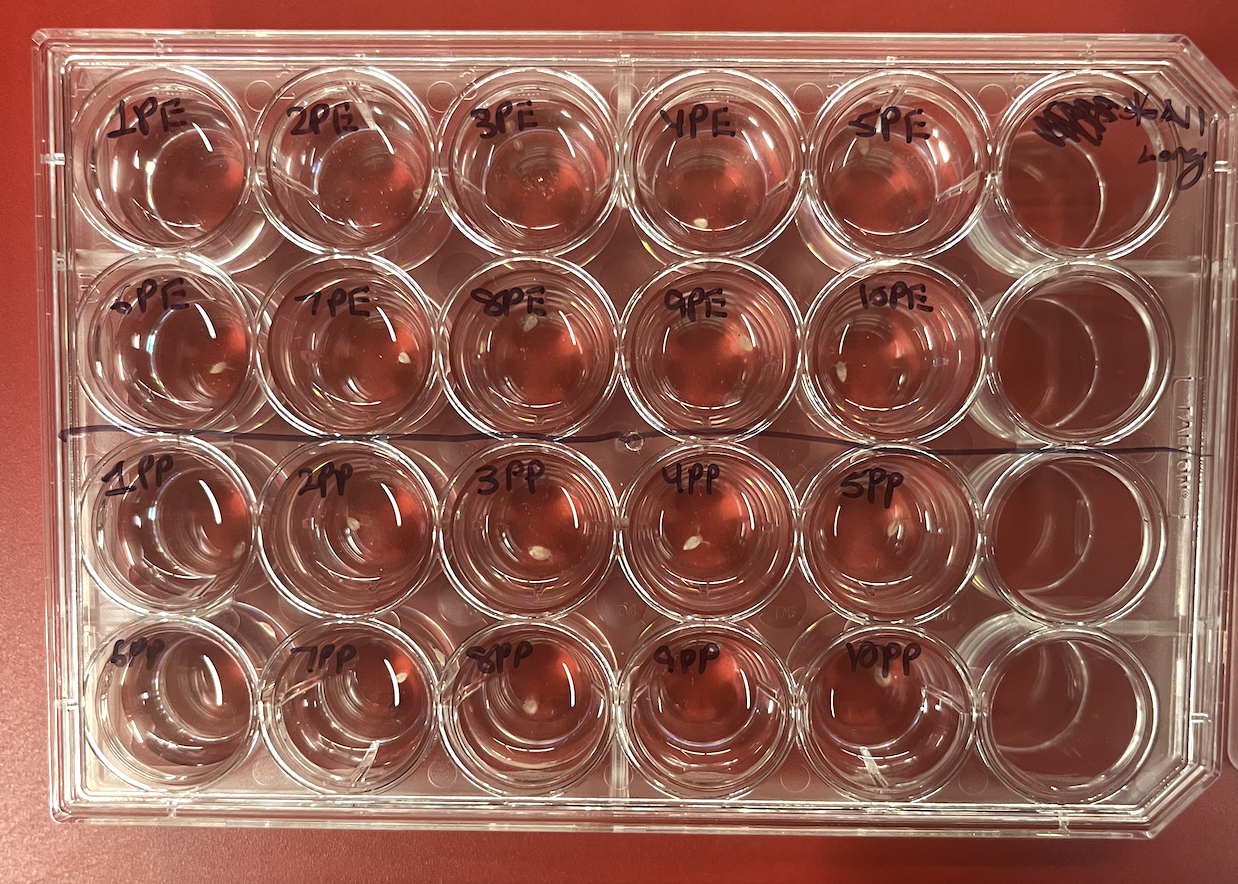
Figure 10. An image of how the wells were set up before waiting 24 hours for post-exposure.
Click for the pdf here!