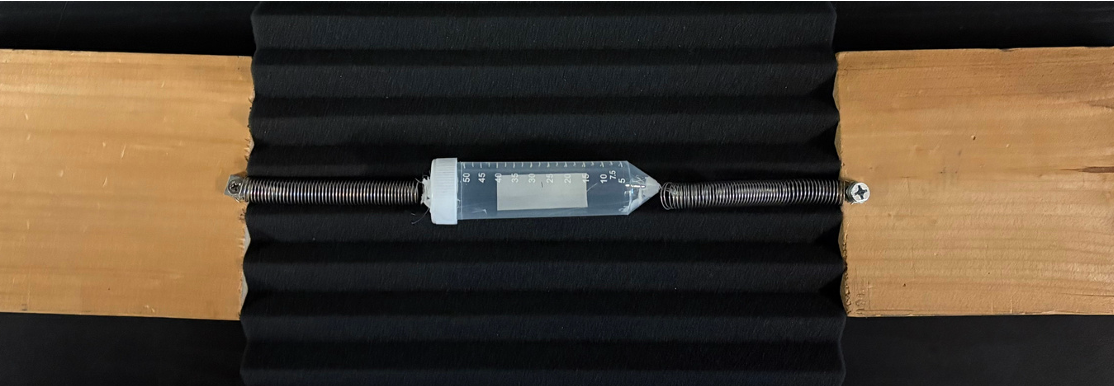
Novel High Impact Trauma Device
Alzheimer's disease affects over 6 million Americans, progressively destroying memory and thinking abilities. Scientists are discovering that Alzheimer's isn't just a brain disease—it's deeply connected to how our bodies process insulin, the same hormone involved in diabetes. Some researchers now call Alzheimer's "Type 3 Diabetes" because insulin problems in the brain allow toxic proteins to build up, killing brain cells.
Here's where it gets interesting: while too much insulin in the brain contributes to Alzheimer's, my research in fruit flies shows that reducing insulin signaling might actually protect the brain. Using fruit flies—which share the same basic brain chemistry as humans—I created an Alzheimer's-like condition through brain injury and tested whether genetically tweaking insulin levels could prevent damage.
I measured three key signs of brain health: how well flies could climb (motor function), whether they could learn and remember (cognitive function), and their social behaviors. Flies with enhanced insulin signaling showed worse outcomes after injury, while those with reduced insulin signaling performed better, suggesting their brains were more resilient to damage.
This work helps us understand the delicate balance of insulin in the brain and could eventually lead to new strategies for preventing or slowing Alzheimer's progression in humans.
Not a link
Embedded and scrollable within the PDF element